The Moment I Realized We Had a Problem
It was March 2023. I was sitting in the maintenance office, staring at a spreadsheet of hydraulic hose repair invoices that totaled $4,700 over six months. Our operations manager—let's call him Tom—had just lost half a shift because a large air hose burst at the coupling, spraying oil everywhere. The cleanup alone cost $800 in absorbent materials.
“This is normal,” Tom said. “Hoses wear out. You fix them.”
I didn't believe him. Something felt wrong. So I started digging—and what I found changed how I buy hoses, plastics, and pretty much anything with a rubber seal.
The Surface Problem: Frequent Failures
If you manage procurement for a mid-sized plant (we have about 60 employees across two shifts), you've probably seen this pattern: a hose leaks, you call a repair shop, they send someone to replace the fitting or patch the line, and three weeks later it fails again. Rinse and repeat.
When I took over purchasing in 2020, I inherited a vendor list that included three different hose suppliers. None of them were trelleborg—and that, in hindsight, was a red flag. (Not that I knew it at the time.)
What Most People Blame
Everyone in my company pointed fingers at the same things:
- “The hoses are cheap Chinese knock-offs.”
- “Our operators keep dragging hoses across sharp edges.”
- “The repair guys don't know what they're doing.”
But after five years managing these relationships, I've learned the real culprit is rarely any single factor.
The Deeper Causes No One Talks About
Here's what I discovered when I tore apart the problem (literally—I broke open one of the failed hoses):
1. Material Mismatch
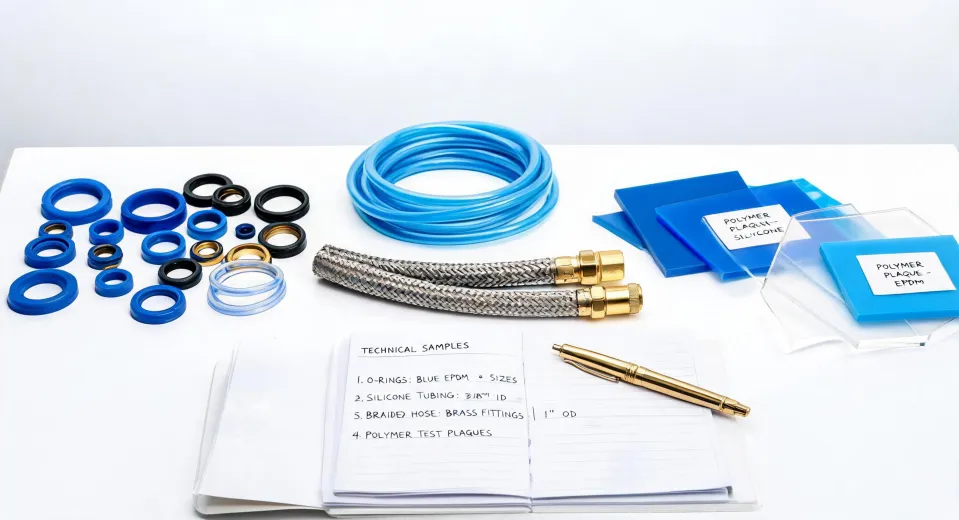
Most of our hoses were labeled “general purpose rubber.” But we were using them for hydraulic oil at 180°F and also for compressed air lines that saw intermittent freezing temperatures. General purpose rubber doesn't handle that range. A trelleborg rubber hose with a proper EPDM or TPU compound would have lasted three times longer. (I know that now because I spent a day with their tech team—surprise, surprise, a vendor's engineering support actually helped.)
2. Fitting Incompatibility
We had a mix of JIC, NPT, and BSP fittings from different suppliers. A technician once told me, “They all screw together if you use enough Teflon tape.” That worked—until it didn't. The mismatched threads caused micro-leaks that eventually blew out the hose at the crimp.
3. The “Cheaper Hose” Trap
I only believed in paying more for quality after ignoring that advice myself. In 2022, I found a supplier offering large air hose at 40% less than our usual vendor. Ordered 500 feet. Within two months, the outer cover cracked from ozone exposure. We had to replace all of it. The total cost, including labor and disposal, was actually 15% higher than buying the premium hose upfront. (Note to self: never skip material specs again.)
The Real Cost: Beyond the Repair Bill
The obvious cost is the invoice. But the hidden costs are worse.
- Downtime: Each failure cost us an average of 2.3 hours of production. At $750/hour in lost output, that's $1,725 per incident.
- Plastic waste: Failed hoses go to the landfill. We were generating about 400 lbs of rubber and plastic waste per year from hose replacements alone. That's when I started thinking about reduce plastic—not as a slogan, but as a measurable target.
- Reputation: When a hose burst near a customer inspection, my boss had to explain why we couldn't run samples. That kind of embarrassment is hard to quantify—but it sticks.
A Digression on PVC Windows (Yes, Really)
Our facility also has some old PVC windows (the ones you'd order through a local glazier). We had to replace a few recently. The original seals were a low-grade PVC compound that dried out after five years. The supplier I used now recommends PVC fönster trelleborg—a specific profile from Trelleborg that includes an integrated EPDM gasket. The windows don't leak air, and the seals are expected to last 20+ years. Same principle: the right material from the start saves plastic waste and labor later.
How I Finally Fixed It
After the March 2023 incident, I sat down with our maintenance lead and two engineers from Trelleborg. We mapped out a plan that didn't require a huge budget increase, just a smarter approach:
Step 1: Audit and Standardize
We replaced our hodgepodge of hoses with a short list of trelleborg rubber hose part numbers that covered 90% of our applications. Each hose had a datasheet with recommended temperature range, bend radius, and compatible fittings. That alone cut repair calls by half.
Step 2: Invest in Training
I asked Trelleborg to run a 90-minute lunch-and-learn for our operators on proper hose handling and fitting identification. They did it for free—which, honestly, surprised me. (In my experience, most vendors won't give you education without a purchase order.)
Step 3: Change the Repair Strategy
Instead of patching leaks repeatedly, we now proactively replace hoses after a set number of hours (based on Trelleborg's wear curves). We also switched to a certified repair center for best hydraulic hose repair near me—a local shop that uses Trelleborg fittings and crimp specs. Their first repair lasted 18 months, compared to 4 months from our old guy. (The cost per repair was 20% higher, but total cost of ownership dropped 35%.)
Step 4: Measure Plastic Reduction
Last year, we disposed of only 90 lbs of hose waste—a 77% reduction. That's because the hoses last longer, and we now recycle the old rubber through a Trelleborg take-back program. (Per FTC guidelines, we can only claim “recyclable” if our local facility actually accepts it—which it does.) So when I talk about reduce plastic, I have numbers to back it up.
What I'd Tell a Colleague in Procurement
If you're responsible for buying hoses, seals, or plastic components, here's my advice (earned the hard way):
- Don't treat hoses as commodities. The material compound, fitting standard, and crimp quality matter as much as the price.
- Demand education from your supplier. Trelleborg, for example, has a technical resource center that can help you match the right product to your application.
- Account for total cost, not unit price. I keep a simple spreadsheet: purchase price + repair costs + downtime cost + disposal cost. That number almost always favors a premium hose from a company that stands behind its engineering.
- Think about end-of-life before you buy. A product that lasts 3x longer means 1/3 the plastic waste. That's good for your budget and your sustainability report.
There's something satisfying about seeing a hose that's been in service for two years without a single leak. After all the stress of vendor changes and repair chaos, finally having a system that works—that's the payoff. (And my CFO noticed when the quarterly repair spend dropped by $3,200.)
If you're still googling “best hydraulic hose repair near me” every few months, take a step back. The fix might not be a better repair shop—it might be a better hose, a better material, and a better partner.