Material screening
Trelleborg helps compare EPDM, silicone, nitrile, fluoroelastomer, polyurethane and plastic options against chemical contact, aging, hardness, elongation and process constraints.
Trelleborg service conversations begin with the situation behind the part number. A seal, O-ring, hose, gasket or silicone tube can look straightforward in a spreadsheet, but the real decision depends on fluid exposure, compression load, temperature cycling, surface finish, assembly method, regulatory geography and how much change the buyer can tolerate during qualification. The service process is designed to capture those factors before a quotation becomes a weak promise.
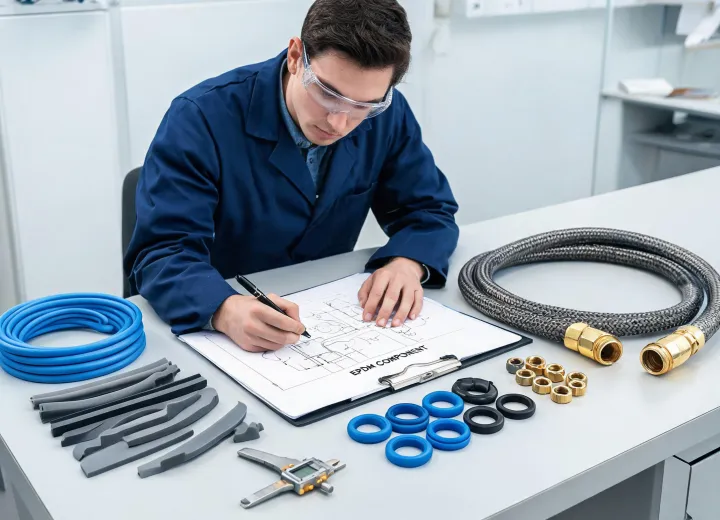
Trelleborg helps compare EPDM, silicone, nitrile, fluoroelastomer, polyurethane and plastic options against chemical contact, aging, hardness, elongation and process constraints.
Critical dimensions, mating surfaces, flash expectations, tolerances and assembly loads are discussed before tooling or sample commitments create avoidable rework.
REACH, RoHS, FDA, USP, ISO 10993 or customer-specific declaration needs are mapped to the product family and geography.
For global programs, intake covers volume bands, packaging, labeling, change-control expectations and regional replenishment preferences.
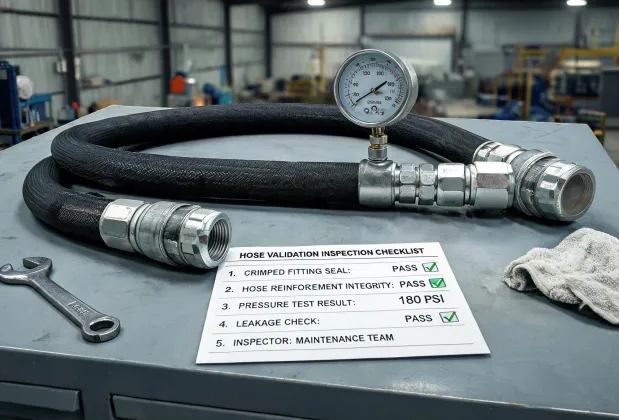
A plant team comparing industrial hoses often starts with diameter and pressure, then discovers that bend radius, impulse cycle, media compatibility, abrasion sleeves and fitting geometry carry the risk. Trelleborg structures the review so maintenance, procurement and engineering can see the same tradeoffs. The result is not a generic catalog answer; it is a supply discussion that separates emergency replacement logic from a planned hose platform that can be documented and repeated.
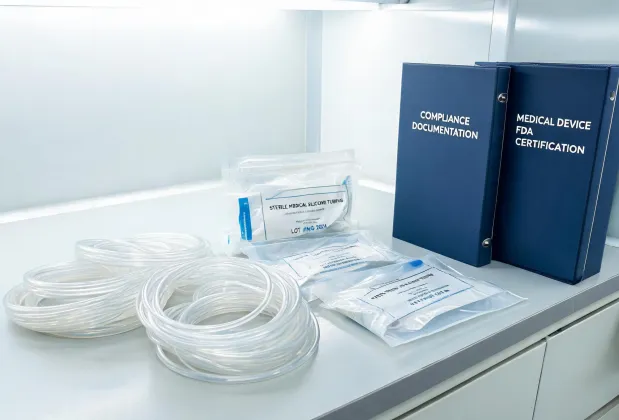
When silicone tubing is used near regulated products, small assumptions become expensive. The service team helps buyers identify whether the application needs biocompatibility discussion, extractables context, packaging controls, lot traceability or special dimensional checks. By building these questions into the first inquiry, sourcing teams avoid the common gap between a physically acceptable sample and a part that quality can actually approve.
Send Trelleborg the drawing, operating environment, compliance target and timing pressure. A clear service brief helps the team respond with practical next steps rather than a generic quote.